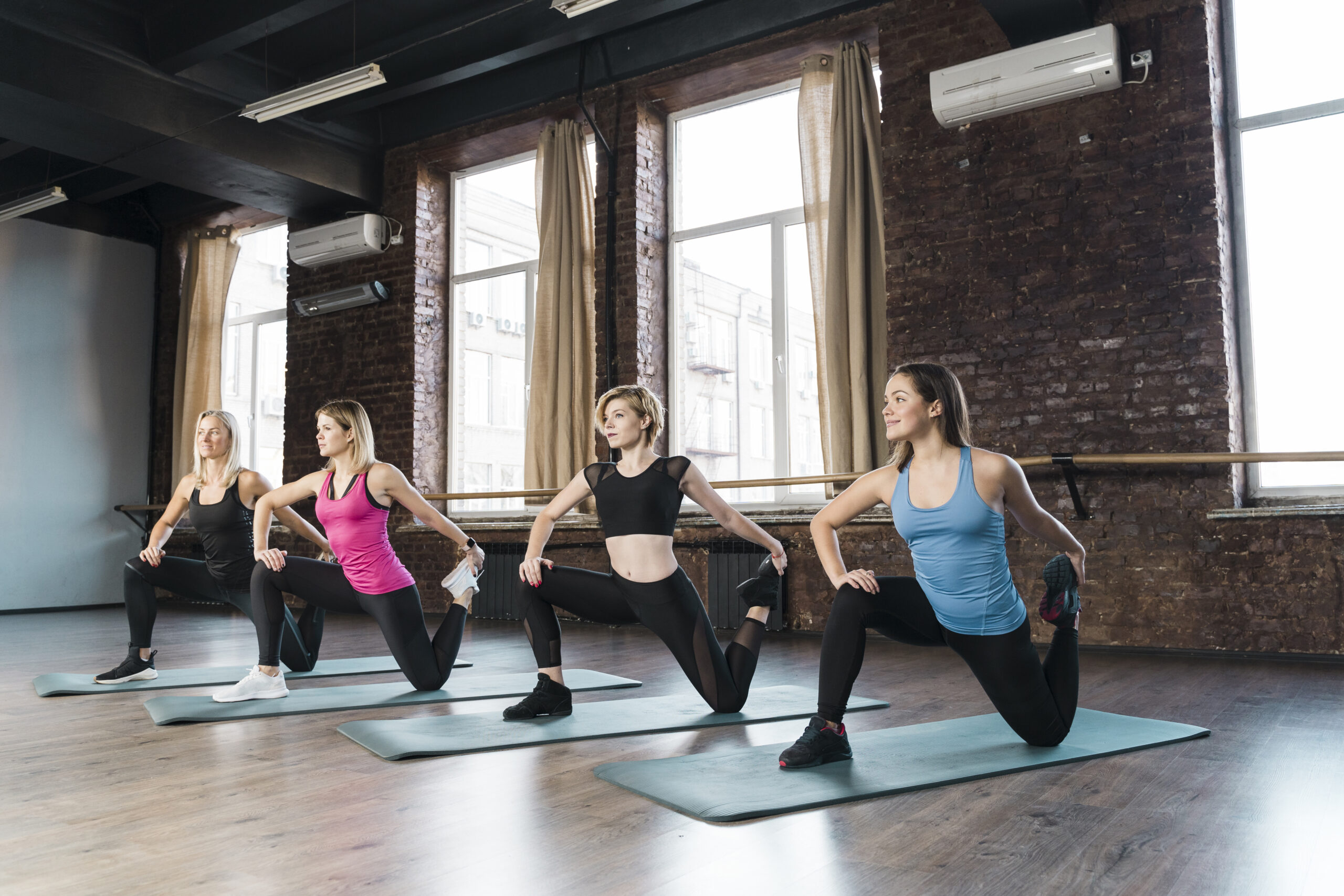
Many people overlook Pilates when thinking about fat loss, assuming it’s only for stretching or improving posture. The truth is, modern group Pilates classes combine controlled movements, resistance, and core engagement in a way that challenges your muscles and boosts calorie burn.
Over time, this low-impact yet effective approach can help tone your body… support fat loss… and improve overall strength.
Unlike high-intensity workouts that can leave you drained, Pilates leaves you feeling energized, balanced, and more in tune with your body. It’s also highly adaptable – whether you’re a beginner or returning after a fitness break… You can progress at your own pace.
If you’re curious about adding group Pilates classes in Toronto to your fitness routine, here’s what you need to know about how they contribute to burning fat and building a leaner, stronger body.
Understanding Fat Loss
Before diving into Pilates specifically, it’s important to clarify how fat loss actually works.
Fat loss is driven by a caloric deficit – burning more calories than you consume. However, the method you choose to create that deficit matters. Sustainable fat loss isn’t just about torching calories in a single session; it’s about building lean muscle, improving metabolic efficiency, and maintaining consistency over time.
This is where Pilates, particularly in a structured group environment, offers more value than many people expect.
What Makes Group Pilates Classes Unique?
Group Pilates classes are not scaled-down personal sessions. They bring a specific training dynamic that can actually enhance fat-burning potential.
-
Continuous Movement Patterns
Unlike traditional gym workouts, where you might rest between sets, Pilates emphasizes flow-based sequencing. This keeps your body moving continuously, elevating your heart rate into a moderate aerobic zone.
-
Time Under Tension (TUT)
Pilates movements are controlled and deliberate, increasing the time your muscles are under tension. This leads to muscular fatigue without heavy loading, which supports lean muscle development.
-
Core-Driven Activation
Every movement in group Pilates classes in Toronto originates from the lumbopelvic stability system (your core). This constant engagement increases overall energy expenditure and improves neuromuscular coordination.
-
Low Impact, High Consistency Training
Because Pilates is gentle on joints, participants are less likely to experience burnout or injury. Consistency is a major factor in fat loss, and group Pilates makes it easier to stick to a routine.
Do Group Pilates Classes Burn Enough Calories?
Let’s address the most common concern… burning calories.
A typical group Pilates class can burn anywhere from 175 to 254 calories per hour, depending on intensity, equipment used (i.e., Reformer), and individual effort.
While this may be lower than that of a high-intensity spin class, calorie burn alone doesn’t determine fat-loss success. Pilates compensates in other critical ways.
- It improves muscle efficiency, meaning your body uses energy more effectively.
- It helps enhance postural alignment, reducing energy leaks during movement.
- It supports afterburn effects (EPOC) when classes are structured to progressively increase intensity.
In other words… Pilates contributes to fat loss both directly and indirectly.
How Pilates Builds Lean Muscle and Burns Fat
One of the biggest advantages of Pilates is its ability to build functional lean muscle – without bulk.
Muscle tissue is metabolically active, meaning the more lean muscle you have – the more calories your body burns at rest. Group Pilates classes in Toronto use resistance springs (in Reformer classes), body weight loading, isometric holds, and eccentric contractions.
These techniques stimulate muscle fibers in a way that supports endurance and tone – key components for long-term fat loss.
Metabolic Conditioning Through Pilates
Modern group Pilates classes often incorporate elements of metabolic conditioning – without losing the core principles of control and precision.
For example.
- Faster transitions between exercises
- Minimal rest periods
- Compound movement patterns (i.e., lunges without rotation)
- Integration of props like resistance bands or rings
This creates a hybrid workout that sits somewhere between strength training and cardio – helping elevate heart rate while still focusing on alignment and control.
How Pilates Helps Fat Loss Through Hormones
Fat loss isn’t only through physical movement – it also involves the help of hormones.
Group Pilates classes can positively influence hormones that regulate fat storage and energy use:
Cortisol Reduction
- The mindful, breath focused nature of Pilates helps manage stress – and lessen cortisol production. Lower cortisol levels reduce abdominal fat retention.
Improved Insulin Breakdown
- Regular movement improves how your body – processes carbohydrates. The better they are absorbed – the less fat they store.
Endorphin Release
- Group settings boost motivation and adherence by fostering social engagement and enhancing mood. When you feel happy – you are more inclined and motivated to live a healthy life.
These benefits make Group Pilates classes in Toronto especially effective for people who struggle with stress related weight gain.
How to Maximize Fat Loss with Group Pilates Classes
If you want to use group Pilates classes for fat loss effectively, here’s how to make them truly effective:
-
Increase Weekly Frequency
Aim for 3 to 5 sessions per week to maintain a consistent caloric burn – and metabolic boost.
-
Combine with Other Modalities
Pair Pilates with strength training 2 to 3 times per week and light cardio like cycling. This creates a well rounded fat loss strategy.
-
Focus on Intensity
Even within Pilates, effort matters. So, prioritize a full range of motion – controlled tempo, and minimal downtime.
-
Eat Nutritious Meals
No workout can out-train poor nutrition. Maintain a moderate caloric deficit with sufficient protein intake – to preserve lean muscle.
-
Track Progress Beyond the Scale
Pilates helps you improve your body composition, posture, and muscle tone. These changes may not always be reflected immediately on the scale – but they are crucial indicators of fat loss.
Is Pilates the Right Choice for Fat Loss?
Well, the answer is YES, but not in the way most people expect.
Group Pilates classes in Toronto may not deliver the highest calorie burn per session but they create the conditions necessary for sustainable fat loss: improved muscle tone, better movement efficiency, hormonal balance, and long term consistency.
If you’re looking for a structured, supportive environment to experience the benefits firsthand, we are here at Body Cadence Pilates offering expert designed group classes that balance intensity, technique, and progression.
FAQs
-
How long does it take to see fat loss results with Pilates?
It really depends on how often you’re practicing, what your diet looks like – and how active you are overall. Most people start to feel stronger and notice better posture and energy within a few weeks. When it comes to visible fat loss, that usually takes a bit longer – around 6 to 8 weeks with consistent effort.
-
Are reformer Pilates better for fat loss than mat classes?
Reformer classes can feel more challenging because of the added resistance – which may help burn a few more calories. That said, mat classes can be just as effective if you’re putting in the effort. In the end – consistency matters more than the type of class.
-
Can beginners join group Pilates classes in Toronto to lose fat?
Absolutely. Group Pilates classes are generally very beginner-friendly. Instructors usually offer different options and adjustments – so you can go at your own pace while still getting a good workout.
-
Do I need to combine Pilates with other workouts to lose fat?
Pilates can definitely help – but you’ll likely see faster results if you mix in other types of exercise, like strength training or some light cardio. A balanced routine tends to work best – for overall fat loss.
-
Is Pilates effective for reducing belly fat specifically?
Pilates is great for strengthening your core – which can help your stomach area look more toned. But when it comes to fat loss – the body doesn’t target just one area. Staying consistent with your workouts, eating well, and managing stress all play a role in reducing overall body fat – including around your midsection.
